

Introduction
Something has shifted in how younger workers think about government jobs, and public agencies that haven't noticed yet are already falling behind in the competition for talent.
For decades, the public sector held a distinct recruiting advantage. Job security, pension benefits, and the promise of a stable career were enough to attract a steady pipeline of candidates. Younger generations today still value those things, but they've added a long list of expectations on top of them. Agencies that rely on legacy appeal alone are watching their applicant pools shrink.
This isn't a generational attitude problem. It's a recruiting strategy problem. Understanding what younger candidates actually want from a public sector career, and building a recruitment experience that speaks to those expectations, is one of the most important investments a public agency can make right now. It's also why more agencies are moving toward talent acquisition consulting rather than simply increasing their advertising spend.
The Stability Argument Still Works, But It's Not Enough
Job security remains genuinely appealing to younger workers, particularly in an economy that has delivered multiple rounds of layoffs, market volatility, and uncertainty in the private sector. The promise of a stable career with benefits and a pension hasn't lost its value. What has changed is that stability alone no longer closes the deal.
Younger candidates evaluate employers across multiple dimensions before they ever submit an application. They're asking whether the work feels meaningful, whether the organization's values align with their own, whether there's room to grow professionally, and whether the people they'd work with treat each other well. They're also paying close attention to how agencies communicate with them during the hiring process itself, treating that experience as a preview of what it would feel like to actually work there.
Public agencies that lead every conversation with benefits and job security, and stop there, are answering a question that modern candidates weren't asking first. The agencies feeling this most acutely are often the same law enforcement organizations that have faced the steepest recruiting declines over the past several years.
Mission Matters More Than Agencies Realize
Public sector work offers something the private sector genuinely struggles to replicate: a direct connection between daily work and community impact. Younger workers consistently rank purpose and meaning among their top priorities when evaluating career opportunities. Law enforcement, public health, corrections, social services, and similar fields are loaded with mission-driven potential.
The problem is that most agencies don't communicate this well. Recruitment materials that lead with departmental org charts, civil service exam requirements, and benefits summaries are leaving mission off the table. Candidates who might have been deeply moved by the idea of protecting their community, improving public health outcomes, or working in juvenile justice never get the chance to feel that connection because the agency's recruiting content never invites it.
Reframing recruitment around mission and impact is not a marketing trick. It's an honest reflection of what the work actually is, and it's a core part of what strong brand development and creative services can help agencies do more effectively.
They're Watching How You Treat Them Before They're Hired
The candidate experience that public agencies deliver during recruitment has become one of the most consequential and most underestimated factors in hiring outcomes. Younger candidates have grown up in a world of instant communication, real-time feedback, and seamless digital experiences. When they encounter a hiring process that takes months without updates, requires redundant paperwork, offers no clear timeline, and responds to inquiries with silence, they don't assume the agency is simply busy. They assume the agency doesn't value them.
This perception shapes behavior. Candidates drop out of hiring funnels. They don't refer friends. They share their experiences in online communities and on platforms where other potential applicants are watching. The damage to an agency's employer brand compounds quietly over time.
Investing in candidate communication, building a recruitment process that acknowledges people at every stage, and treating candidates with the same professionalism the job itself demands are not optional enhancements. For agencies competing to attract younger talent, they are table stakes. The San Francisco Police Department is one example of a law enforcement agency that recognized the need to modernize its recruitment approach to stay competitive in a challenging hiring environment.
Career Growth and Development Signal Respect
One of the most consistent expectations younger workers bring to any job search is the belief that their employer should be invested in their professional growth. This doesn't necessarily mean rapid promotion or constant advancement, though clear pathways matter. It means that agencies demonstrate, in concrete terms, that they take their people's development seriously.
Mentorship programs, continuing education support, leadership development opportunities, specialty assignments, and transparent promotion criteria all speak directly to this expectation. Agencies that articulate these offerings during recruitment, rather than waiting until after someone is hired, are communicating something important: that the relationship between the agency and the employee is a two-way investment, not a transaction.
For younger candidates who have watched friends and family members spend years in organizations that made vague promises about growth and delivered nothing, the specificity and credibility of a development commitment matters enormously.
Culture Is Visible From the Outside
Organizational culture has always mattered to candidates. What's different today is how much of that culture becomes visible before anyone sets foot in an interview room. Younger candidates research employers the way they research any major decision. They look at social media accounts, read reviews on platforms like Indeed and Glassdoor, watch recruiting videos, observe how agencies respond to public criticism, and draw conclusions about what it would actually be like to work there.
For law enforcement agencies and other public safety organizations, this dynamic introduces both a challenge and an opportunity. The challenge is that negative narratives, whether about internal culture, leadership, or public perception, are harder to contain than they once were. The opportunity is that agencies with genuinely strong cultures now have more channels than ever to demonstrate that authentically.
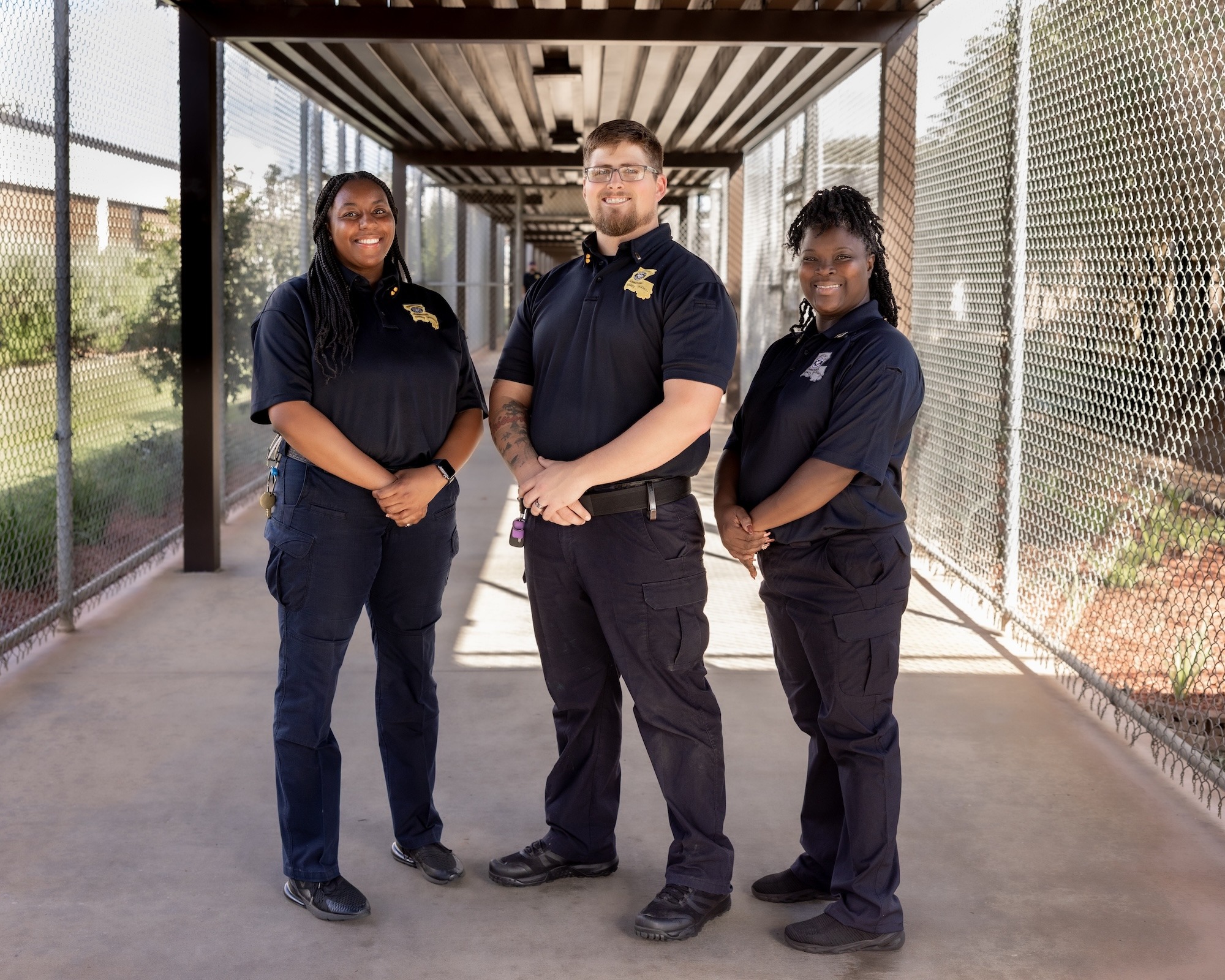
Showcasing real people, real stories, and real moments from inside the organization is far more persuasive than polished stock-photo recruitment ads. Recruitment videos done well gives agencies a powerful tool for making culture visible in a way that feels genuine rather than manufactured. Younger candidates are skilled at detecting authenticity, and they trust it when they find it.
Technology and Modern Work Environments Signal Organizational Health
This is a subtler expectation, but it's a real one. Younger workers have an intuitive sense that organizations investing in modern tools, systems, and workflows are also more likely to be well-run, forward-thinking, and worth their time. When agencies use outdated application portals, require in-person submissions for processes that could be handled digitally, or communicate exclusively through formal letters sent days after an event, they're sending an unintentional signal about how they operate overall.
Modernizing the recruitment infrastructure, from application systems to communication platforms to onboarding technology, doesn't just make the hiring process more efficient. It sends a message about the kind of organization a candidate is considering joining.

What Agencies Can Do Right Now
The agencies that are winning the competition for younger talent aren't necessarily offering more money or more benefits than their peers. They're being more intentional about every dimension of the candidate experience. They're telling a clearer story about mission and impact. They're investing in communication systems that keep candidates informed and engaged. They're making their culture visible through authentic content. They're articulating what professional growth actually looks like inside their organization.
None of this requires an unlimited budget. It requires a shift in how recruitment is understood and prioritized at the leadership level. Recruitment is not a human resources function that runs quietly in the background. It is a strategic capability that determines whether an agency can deliver on its mission to the community it serves.
Younger generations are not asking public agencies to become something they're not. They're asking agencies to clearly demonstrate what they already are, and to build a hiring process worthy of the work itself.

Pam specializes in optimizing talent recruitment processes for the public sector. With 6+ years of experience, she leverages technology, strategic analysis, and a user-first approachto solve complex recruitment challenges. A published author and former National Science Foundation scholar, Pam is also a frequent speaker on recruitment innovations, research, and data-driven results. She has a passion for client engagements and manages the consulting arm of All-Star Talent.
